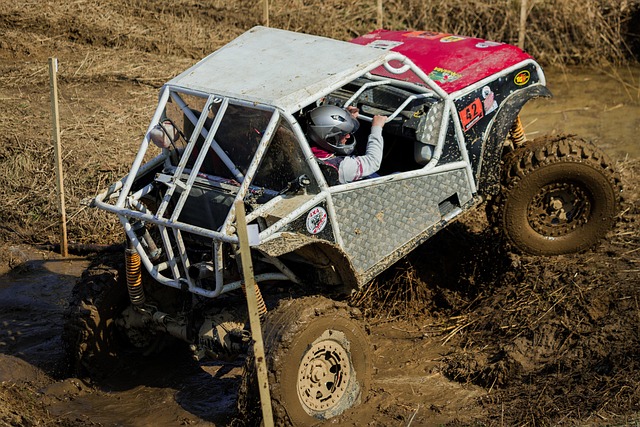
Are you a McAllen resident with a love for off-road adventures? Learn the art of 4×4 repair, specifically focusing on crucial recovery lines. This guide provides essential tips, from basic maintenance to emergency situations, ensuring your vehicle is always ready to conquer any terrain. Discover how to enhance your 4×4’s capabilities and overcome common challenges with confidence.
Introduction: Embracing the Spirit of 4×4 Repair in McAllen
In the heart of Texas, McAllen offers a unique blend of urban living and access to breathtaking outdoor adventures. For enthusiasts exploring rugged terrain in their 4x4s, knowing tips-for-4×4-repair-in-mcallen is essential. This comprehensive guide delves into the intricate world of recovery lines—a vital component often overlooked but crucial for getting unstuck and ensuring safe off-road experiences.
Understanding Recovery Lines: The Unsung Heroes of 4×4 Repair
What Are Recovery Lines?
Recovery lines, also known as tow ropes or winching lines, are robust, specialized cables designed to assist in extricating a vehicle from challenging situations, such as deep mud, sand, or rocky terrain. These lines play a pivotal role in off-road recovery, providing the necessary grip and pull to free your 4×4 without causing damage.
Why Are They Crucial?
In McAllen’s diverse outdoor environment, where trails can range from muddy riverbeds to sandy deserts, recovery lines become indispensable tools. Here’s why:
- Emergency Rescue: They enable quick extraction in emergencies, preventing vehicle damage and ensuring safety.
- Versatility: Different types of recovery lines cater to various terrains, offering tailored solutions for each challenge.
- Cost-Effective: Investing in quality recovery lines is more affordable than frequent professional rescue services.
- Do-It-Yourself Confidence: Understanding their use empowers owners to handle minor stuck situations themselves.
Essential Tips for 4×4 Repair and Maintenance in McAllen
Regular Inspection: The Key to Avoidance
Before embarking on any off-road expedition, a thorough inspection is paramount. Here’s what to check:
- Visual Exam: Look for signs of wear, fraying, or damage to your recovery lines. Replace any worn sections immediately.
- Tension and Loops: Ensure the line has adequate tension when coiled. Check for proper loop formation, which is crucial for effective winching.
- Secure Storage: Store recovery lines in a protected, dry area within your vehicle to prevent deterioration.
Choosing the Right Recovery Line for Your 4×4
Selecting the appropriate recovery line directly impacts its effectiveness and your safety:
- Material: High-quality synthetic fibers like Dyneema or Kevlar offer superior strength-to-weight ratios, making them ideal for off-road use.
- Length: Consider the depth of typical terrain you’ll encounter. Longer lines provide more reach but add bulk to your vehicle.
- Strength Rating: Look for a minimum breaking strain (MBS) that exceeds your 4×4’s weight. Always opt for a stronger line for peace of mind.
- Compatibility: Ensure it fits your vehicle’s winch and is compatible with your towing hardware.
Basic Recovery Techniques Every McAllen Off-Roder Should Know
Step 1: Secure the Line
- Attach one end of the recovery line securely to a stable, fixed point on your vehicle, such as a bull hook or a sturdy bracket.
- Ensure the connection is tight and secure to prevent slippage during extraction.
Step 2: Winch or Tow with Care
- If using a winch, apply gradual pressure while monitoring line tension. Avoid rapid pulling, which can cause line damage or vehicle strain.
- For towing, maintain a steady speed and keep the load aligned with your vehicle to prevent twisting.
Step 3: Control Descents
- When descending steep slopes, use a spotter to guide the line, especially if the terrain is uneven.
- Gradually lower the vehicle, allowing it to gently descend without rapid deceleration, which can cause skidding.
Advanced Recovery Scenarios and Troubleshooting Tips
Deep Mud or Sand: A Special Challenge
- Lighten the Load: Remove excess gear to reduce the vehicle’s overall weight, making it easier to extract.
- Use a Flotation Device: In deep sand or mud, consider using flotation devices like air cushions or foam blocks beneath the tires for added buoyancy.
- Strategic Winching: Apply gentle, consistent tension while moving the winch arm up and down in a pumping motion to gain traction.
Rock and Steep Terrain: Stay Calm and Assessed
- Avoid Rapid Maneuvers: Sudden movements can cause your 4×4 to dig itself deeper into rocky terrain. Instead, make slow, calculated adjustments.
- Use the Line’s Advantage: Wrap the recovery line around larger rocks or use it to create a loop for better grip when winching.
- Consider an Assist Vehicle: For extremely steep descents, having a second vehicle with a stronger winch can provide added support and stability.
Troubleshooting Common Recovery Line Issues
Line Freezes or Tangles
- Prevention: Always store recovery lines in a clean, dry environment to prevent moisture buildup.
- Quick Fix: If frozen, thaw the line gently. For tangles, carefully unwind the line, ensuring no kinks remain.
Line Damage During Recovery
- Inspect Before Use: Regularly check for any signs of damage after each trip.
- Emergency Repair: In case of severe damage, carry a repair kit with a section of matching material to temporarily fix the line until you reach help.
Conclusion: Mastering 4×4 Repair with Recovery Lines in McAllen
In the spirit of tips-for-4×4-repair-in-mcallen, understanding and mastering recovery lines is a valuable skill for every off-road enthusiast. By following these comprehensive guidelines, McAllen residents can confidently navigate various terrains, overcome challenges, and ensure their 4x4s are always ready for adventure.
Remember, proper maintenance and a well-equipped vehicle are the cornerstones of safe and enjoyable off-road experiences. With this knowledge in hand, you’re not just a driver; you’re an explorer, ready to conquer Texas’ diverse landscapes with confidence.