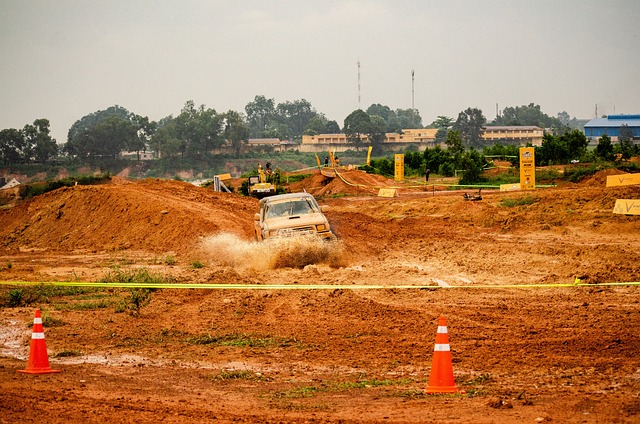
Maintaining your 4×4 vehicle, especially critical components like brake pads, is crucial for safe and reliable off-road adventures near McAllen. This guide offers expert tips for 4×4 repair, with a specific emphasis on identifying when and how to replace brake pads, ensuring optimal performance and safety during your next terrain traversal.
Introduction: The Importance of Brake Pads in McAllen’s Off-Road Community
In the vibrant off-road community of McAllen, Texas, where rugged terrain meets warm climate, properly maintained 4×4 vehicles are a necessity. Among the many vital components, brake pads stand out as a critical safety feature that requires regular attention. This article delves into essential tips for 4×4 repair, with a detailed focus on understanding and replacing brake pads to enhance your vehicle’s performance and your overall driving experience.
When to Replace Brake Pads: Understanding Wear and Tear
Identifying the right time to replace your 4×4’s brake pads is key to maintaining both vehicle efficiency and safety. Here are some clear signs that indicate it’s time for a change:
-
Squealing or Grinding Sounds: The most obvious indication of worn-out pads is unusual noises during braking. Squealing, grinding, or high-pitched screeching sounds suggest that the pads have reached the end of their life and should be replaced immediately.
-
Vibrations While Braking: If you experience shaking or vibrations when applying the brakes, it could point to severely worn pads or even warped rotors. This issue warrants prompt attention from a professional mechanic.
-
Reduced Braking Performance: Over time, brake pads lose their effectiveness. If you find that your vehicle takes longer to stop or requires more force on the brake pedal, it’s a clear sign that new pads are needed for optimal braking power.
-
Pad Thickness and Wear Indicators: Most modern vehicles have wear indicators built into the brake pads. These can be felt when pressing the brakes, indicating when the pads need replacement. Consult your vehicle’s service manual to learn how to check these indicators.
How to Inspect and Replace Brake Pads Step-by-Step
Many 4×4 owners in McAllen prefer hands-on maintenance to ensure their vehicles are ready for any off-road challenge. Here’s a comprehensive, step-by-step guide to inspecting and replacing brake pads:
1. Safety First: Ensure Your Vehicle’s Stability
Before beginning any repair work, safety should always be your top priority. Ensure your vehicle is parked on a level surface and apply the parking brake. Engage the gear in neutral (or first gear if low-ranging) to prevent any unintended movement during the inspection process.
2. Gather Tools and Parts
For most 4x4s, you’ll need the following tools:
- Jack and jack stands
- New brake pads (ensure they are compatible with your vehicle)
- Brake fluid (if needed)
- Wheel chocks
- Basic hand tools (socket set, wrenches, etc.)
Tip for 4×4 Repair in McAllen: Always have a reliable local mechanic’s contact information handy. If you encounter issues beyond your comfort level, don’t hesitate to seek professional assistance.
3. Lower the Vehicle and Secure it Safely
Use a jack to lower your 4×4 until all four wheels are off the ground. Place wheel chocks around the tires to prevent any accidental rolling while you work. Ensure the vehicle is stable and secure before proceeding.
4. Inspect the Brake Pads and Rotors
- Remove the Wheels: Take off the wheels and brake calipers by loosening the lug nuts and removing them completely.
- Inspect Pads and Rotors: Examine the condition of both the brake pads and rotors. Look for signs of corrosion, wear patterns, or warping. Replace any worn or damaged components.
Tip: Clean the rotors with a wire brush or specialized rotor cleaner to remove brake dust and ensure proper pad installation.
5. Remove Old Brake Pads
- Retain the Caliper: Carefully unbolt the caliper from the rotor, ensuring you keep it in position. This prevents any misalignment issues later on.
- Pull Out Pads: Gently pull the old brake pads out of the caliper. Be mindful of any springs or retaining clips that may be present.
6. Install New Brake Pads
- Position Pads: Ensure the new pads are correctly oriented within the caliper. Check your vehicle’s service manual for specific instructions on proper alignment.
- Secure Caliper: Reattach the caliper to the rotor, tightening the bolts securely but not excessively to avoid damage.
7. Bleed the Brakes (if Necessary)
If your vehicle has a hydraulic braking system, you may need to bleed the brakes after replacing pads:
- Reassemble the Wheel: Put the wheel back in place and tighten the lug nuts in a crisscross pattern using a torque wrench to ensure even tightening.
- Bleed the System: Follow your vehicle’s service manual for bleeding instructions. This involves removing air from the brake lines to ensure clean fluid and optimal braking performance.
8. Test the Brakes
After completing the replacement, test your brakes gently at low speeds to ensure they operate smoothly and quietly. If you encounter any issues or unusual noises, have a mechanic inspect them before taking your vehicle on a longer journey.
Advanced Tips for Optimal Brake Pad Maintenance
In addition to regular replacement, consider these advanced tips to maximize the lifespan of your 4×4’s brake pads:
-
Regular Inspection: Conduct routine checks of your brakes during every pre-trip inspection. Look for signs of wear, corrosion, or damage. Early detection can prevent costly repairs and ensure your safety.
-
Maintain Proper Fluid Levels: Always keep your brake fluid at the recommended level to ensure optimal performance. Low fluid levels can negatively impact braking efficiency.
-
Avoid Extreme Temperatures: Prolonged exposure to extreme heat or cold can affect the performance of brake pads and rotors. Try to park in temperature-controlled environments, especially during extreme weather conditions.
-
Gentle Driving Habits: Aggressive driving styles, such as hard braking or rapid acceleration, can accelerate pad wear. Smooth driving habits extend the lifespan of your brakes.
Conclusion: Prioritizing Brake Pad Maintenance for Safe 4×4 Adventures
Proper brake pad maintenance is an essential aspect of responsible 4×4 ownership in McAllen’s diverse terrain. By understanding when to replace pads, learning the replacement process, and following advanced care tips, you can ensure your vehicle’s braking system remains reliable and safe. Regular attention to this critical component will contribute to a smoother, more enjoyable off-road experience. Remember, investing time in 4×4 repair not only improves performance but also enhances your overall connection with McAllen’s beautiful outdoor surroundings.