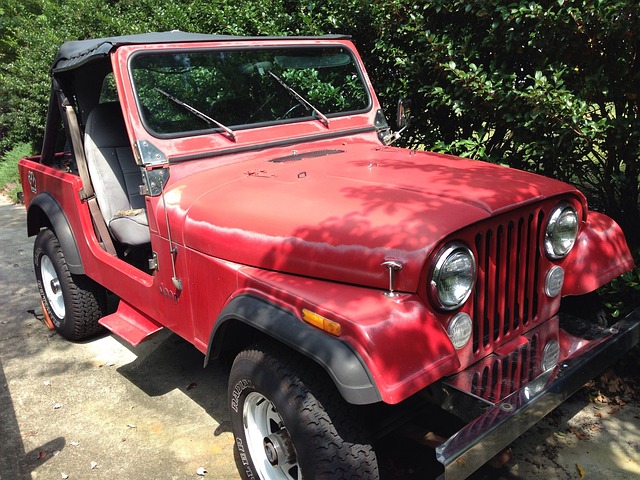
Keeping your 4×4 in top shape requires regular maintenance, especially when it comes to crucial components like drums. This guide provides essential tips and knowledge tailored for 4×4 owners in McAllen, focusing specifically on drum repair and replacement. From identifying common issues to learning effective troubleshooting techniques, you’ll discover the keys to maintaining optimal vehicle performance and safety.
Tips-for-4×4-Repair-in-McAllen: Unveiling the Importance of Drum Care
In the world of 4×4 vehicles, reliable performance off the beaten path depends on several critical systems, one of which is the drum system. Drums, or brake drums, are an integral part of your vehicle’s braking mechanism, playing a vital role in slowing and stopping your 4×4 effectively. This article delves into the intricacies of 4×4 repair in McAllen, focusing on drums as a fundamental component that deserves meticulous care.
Understanding 4×4 Drum Systems: A Foundation for Repairs
How Drums Work
Before tackling repairs, understanding how 4×4 drum systems function is essential. In simple terms, the brake drum is a cylindrical metal component that rotates with your wheels. When you apply the brakes, pressure is exerted on the drum by brake pads or shoes, creating friction and slowing down the wheel’s rotation. This fundamental process ensures controlled stopping power, making drum maintenance crucial for safe driving.
Components of a Drum System
- Brake Drums: The circular metal component that rotates with the wheels.
- Brake Pads/Shoes: Solid pieces of material made from friction-resistant compounds that press against the drum to create braking force.
- Brake Calipers: Mechanical arms that squeeze the brake pads against the drum.
- Brake Fluid: A hydraulic fluid that transmits pressure from the brake pedal to the calipers, enabling them to apply force on the pads.
Common Drum Issues in McAllen’s 4×4 Fleet
Recognizing potential problems is a significant step in effective 4×4 repair. Here are some prevalent drum-related issues encountered by McAllen residents:
- Wear and Tear: Regular use, especially on rough terrain, can lead to pad and shoe wear, reducing their effectiveness over time.
- Corrosion: The coastal climate in McAllen may contribute to corrosion on metal brake components, including drums. Corrosion weakens the drum’s structure and can compromise braking performance.
- Improper Alignment: Misaligned wheels or suspension components can cause uneven brake pad wear, leading to excessive drum friction and potential damage.
- Leaking Brake Fluid: Cracks or damage in the hydraulic system can result in fluid leaks, affecting the overall efficiency of the brake system.
- Dust and Debris Accumulation: These substances can enter the brake system, causing pads and shoes to wear down faster and potentially leading to reduced braking power.
Tips for 4×4 Drum Repair in McAllen: A Step-by-Step Guide
When to Replace Your Drums
- Visual Inspection: Look for signs of wear, corrosion, or damage. Check for warping, deep scratches, or uneven thickness.
- Brake Performance: If you notice a pulsing feeling on the brake pedal, reduced braking power, or an unusual noise when braking, it might indicate worn-out drums.
- Kilometric Mileage: Most experts recommend replacing drums every 30,000 to 60,000 miles, depending on driving conditions and maintenance history.
Tools and Safety Precautions
Before beginning any repair work, ensure you have the necessary tools and take appropriate safety measures:
- Jack, Jack Stands, and Wheel Chocks: Essential for safely lifting and supporting your vehicle.
- Brake Pads and Shoes (if needed): Purchase compatible parts that meet your 4×4’s specifications.
- Protective Gear: Wear gloves, safety glasses, and appropriate clothing to minimize the risk of injury.
- Work in a Safe Location: Choose a flat, level surface away from traffic for your repair work.
Step-by-Step Repair Process:
-
Lift and Secure Your 4×4: Use a jack to lift the vehicle, and engage jack stands for safety. Chock the wheels that are not on the jack to prevent movement.
-
Remove Wheels: Unscrew and take off the affected wheels, setting them aside.
-
Inspect Drums: Examine the drums for wear, corrosion, or damage. If pads/shoes are worn unevenly, it indicates misalignment issues that should be addressed before replacing the drum.
-
Replace Pads/Shoes (if required):
- Remove old pads/shoes carefully.
- Install new ones, ensuring they are correctly aligned and fitted.
- Check for proper pad clearance to avoid damage to the drum or calipers.
-
Inspect Calipers: Ensure they are in good condition and properly seated on the drum. Replace them if they show signs of severe wear or damage.
-
Bleed the Brake System (if needed): If you’ve replaced pads or shoes, you may need to bleed the brake fluid to remove air bubbles from the system, ensuring optimal braking performance.
-
Reassemble and Test: Remount the wheels, tighten lug nuts securely, and lower the vehicle. Test the brakes gently, checking for any unusual noises or pulsing.
Advanced Troubleshooting: When to Seek Professional Help
While some basic 4×4 drum repairs can be tackled by enthusiasts, more complex issues may require professional intervention:
- Severe Corrosion: Extensive corrosion on drums, calipers, or other components may indicate that parts are beyond repair and need replacement.
- Misalignment Issues: If visual inspection reveals significant misalignment or uneven wear patterns, a professional alignment service can help restore proper braking geometry.
- Leaking or Damaged Brake Lines: These issues require expert attention to ensure the safety of the brake system.
- Unusual Braking Behavior: Persistent pulsing, vibration, or lack of stopping power could point to more severe problems that demand professional diagnosis and repair.
Maintaining Your 4×4’s Drum System: Longevity Tips
Regular maintenance plays a pivotal role in extending the lifespan of your 4×4 drum system:
- Visual Checks: Perform routine visual inspections, looking for signs of wear or damage. Addressing issues early can prevent more severe problems.
- Professional Alignment: Have your vehicle aligned at recommended intervals to ensure even pad and shoe wear.
- Timely Fluid Checks: Regularly inspect and top up brake fluid levels. Contaminated or old fluid can reduce braking performance.
- Dust Protection: Consider using wheel covers or regular washing to keep dust and debris from accumulating on brakes, extending component life.
- Regular Service: Adhere to your 4×4’s maintenance schedule, which includes brake system checks during service appointments.
Conclusion: Empowering McAllen 4×4 Owners with Knowledge
Tips-for-4×4-repair-in-McAllen emphasizes the critical role of drum maintenance in ensuring safe and reliable off-road adventures. By understanding the fundamentals of drum systems, recognizing common issues, and adopting proactive maintenance practices, McAllen’s 4×4 owners can extend the life of their vehicles’ braking components. Remember, regular attention to your 4×4’s drums translates into enhanced performance and peace of mind while exploring the diverse terrain around you.