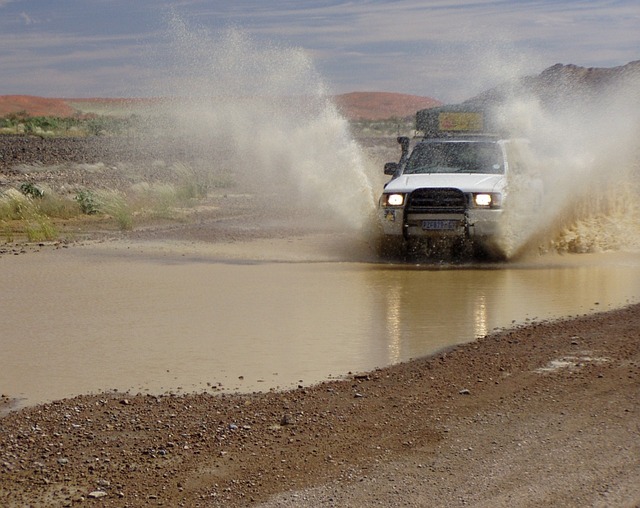
In this comprehensive guide, we delve into crucial aspects of 4×4 repairs in McAllen, with a specific emphasis on clutch systems. From understanding clutch function to troubleshooting common issues, you’ll find practical tips and insights for effective maintenance and repairs.
Tips-for-4×4-Repair-in-McAllen: Unlocking the Secrets of Your Clutch
In the world of 4×4 vehicles, the clutch system is a critical component that deserves meticulous care and attention. Whether you’re a seasoned mechanic or an avid off-road enthusiast in McAllen, understanding how to maintain and repair your 4×4’s clutch can significantly impact performance and safety. This article provides valuable tips-for-4×4-repair-in-McAllen, focusing on clutches as a foundational aspect of comprehensive vehicle care.
Understanding the Clutch System: A Foundation for Repairs
What is a Clutch?
At its core, a clutch is a mechanical device that transmits power from the engine to the transmission, allowing for smooth gear changes and controlled engagement of the drivetrain. In 4×4 vehicles, this becomes even more crucial, as it enables drivers to switch between two-wheel drive and four-wheel drive efficiently.
Components of a Clutch System
- Clutch Disc: This is the primary component that connects and disconnects the engine to the transmission. It consists of a steel plate with friction material on both sides.
- Pressure Plate: Also known as the clutch master cylinder, it applies pressure to the clutch disc through a hydraulic system.
- Release Bearing: This component releases the pressure from the clutch disc, allowing it to disengage from the flywheel.
- Flywheel: A solid metal disk that transmits torque from the engine and engages with the clutch disc.
Common Clutch Issues in McAllen 4x4s: Identifying and Troubleshooting
Recognizing early signs of clutch problems is vital for timely repairs, ensuring your 4×4 remains reliable on McAllen’s diverse terrain. Here are some common issues:
Slipping Clutch
- Symptoms: The vehicle lags or hesitates when accelerating, especially in low gears. You might experience a sudden loss of power while driving uphill.
- Possible Causes: Worn clutch disc or pressure plate, contaminated hydraulic fluid, or damage to the release bearing.
Hard to Engage Clutch
- Symptoms: The clutch pedal feels spongy and requires excessive force to engage. Driving becomes challenging, especially when stopping and starting.
- Troubleshooting Steps: Check for leaks in the hydraulic system, ensure proper alignment of clutch components, and inspect for worn or damaged parts.
Noisy Clutch Operation
- Sounds: You may hear squealing, grinding, or clicking noises during clutch engagement or disengagement.
- Root Causes: Worn clutch materials, low fluid levels, or a failing release bearing. Regular maintenance and checking fluid levels can prevent these issues.
Tips for 4×4 Clutch Repairs in McAllen: Do-It-Yourself vs. Professional Help
When to DIY:
- Simple Checks: Inspecting clutch components for wear, checking hydraulic fluid levels, and replacing worn-out accessories like the release bearing or clutch master cylinder hose are tasks you can often handle yourself.
- Cost Savings: For basic repairs, tackling them yourself can be more economical, especially if you have mechanical expertise.
When to Seek Professional Assistance:
- Complex Repairs: If you encounter issues like a failed clutch slave cylinder, damaged flywheel, or extensive clutch disc wear, it’s best to consult a qualified mechanic. These parts require specialized tools and knowledge for safe removal and installation.
- Safety Concerns: Any repair that involves the drivetrain should be left to professionals, especially if it affects the clutch’s operation during driving.
Step-by-Step Guide: Basic Clutch Maintenance in McAllen
Regular Inspection Checklist:
- Visual Check: Inspect the clutch pedal for leaks, wear, or damage. Ensure the pedal moves freely without sponginess.
- Fluid Level: Verify that the clutch hydraulic fluid level is within the marked range. Top up if necessary with the recommended type of fluid.
- Noise Assessment: Listen to your 4×4 while it’s in operation, focusing on any unusual clutch-related noises.
- Vibration Analysis: Pay attention to vibrations during gear changes and acceleration, which could indicate clutch issues.
Basic Maintenance Tasks:
- Clean the Area: Remove dirt and debris around the clutch components to prevent contamination.
- Check for Leaks: Inspect all hoses and seals associated with the clutch system. Replace any worn or damaged parts.
- Lubrication: Apply suitable lubricant to clutch pedal pins, cables, and other moving parts to ensure smooth operation.
Advanced Clutch Troubleshooting: A Mechanics’ Guide
Diagnostic Procedures:
- Pressure Test: Use a gauge to test the pressure in the clutch hydraulic system. Compare it with the manufacturer’s specifications.
- Visual Inspection of Components: Examine the clutch disc, pressure plate, and flywheel for signs of wear or damage using appropriate lighting.
- Computer Scan: Utilize an OBD-II scanner to check for any stored error codes related to the clutch, which can provide valuable insights.
Repair Process:
- Part Replacement: If worn or damaged clutch components are identified, replace them with OEM (Original Equipment Manufacturer) parts or high-quality aftermarket alternatives.
- Hydraulic System Service: Bleed and flush the hydraulic system thoroughly after repairs to ensure clean fluid and eliminate air pockets.
- Test Drive: After completing repairs, conduct a thorough test drive to verify clutch performance, responsiveness, and smoothness during gear changes.
Conclusion: Elevate Your 4×4 Maintenance with Clutch Expertise
Understanding and maintaining your 4×4’s clutch system is an essential aspect of responsible ownership in McAllen’s diverse driving environment. By recognizing common issues, following the provided tips-for-4×4-repair-in-McAllen, and performing regular maintenance, you can ensure optimal clutch performance, extend the life of your vehicle, and enhance your off-road adventures. Remember, whether you choose to tackle basic clutch maintenance yourself or seek professional help for complex repairs, staying informed and proactive is key to keeping your 4×4 in top shape.