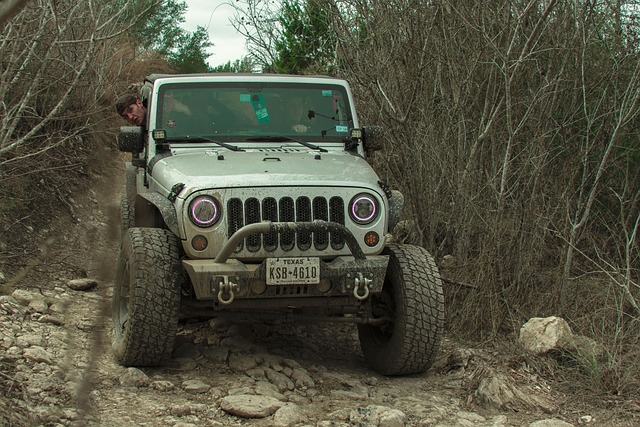
This comprehensive guide offers expert tips tailored to 4×4 owners in McAllen, focusing on receiver hitch repairs. We break down common problems, walk you through basic troubleshooting, and provide detailed instructions for both DIY enthusiasts and those seeking professional assistance, ensuring your off-road adventures remain smooth and safe.
Tips-for-4×4-Repair-in-McAllen: Mastering Receiver Hitches
In the world of 4×4 vehicles, receiver hitches are essential components that facilitate towing and hauling. Located in the back of your vehicle, these hitches allow you to securely attach trailers, campers, or other accessories. However, like any part, receiver hitches can experience wear and tear, requiring careful attention and timely repairs. This guide, specifically tailored for 4×4 owners in McAllen, will delve into the intricacies of receiver hitch maintenance, offering valuable tips to keep your rig running smoothly.
Understanding Receiver Hitches: The Backbone of Your 4×4
Before diving into repair techniques, it’s crucial to grasp the fundamental role of a receiver hitch in your 4×4 setup. These hitches are part of a larger system that includes a ball mount and pin, providing a secure connection point for towing.
Common Receiver Hitch Issues in McAllen’s Diverse Terrain
McAllen’s diverse terrain, ranging from paved city streets to unpaved backroads and everything in between, can put additional stress on receiver hitches. Here are some common problems that 4×4 owners may encounter:
- Wearing and Corrosion: Regular use, especially on rough terrain, can lead to wear and tear on the hitch’s mounting points and hardware. Corrosion is another significant factor, particularly in McAllen’s humid climate.
- Misalignment: Over time, the hitch might become misaligned, impacting towing stability and safety.
- Broken or Damaged Hardware: Harsh conditions can cause bolts, pins, and other components to seize, snap, or become damaged, requiring immediate attention.
- Leaking or Water Damage: Receiver hitches exposed to weather may experience leaks, leading to water damage and subsequent rust.
DIY Basics: Addressing Minor Receiver Hitch Issues
For many 4×4 enthusiasts, performing basic receiver hitch repairs is a valuable skill that can save time and money. Before attempting more complex tasks, consider tackling these DIY projects:
1. Cleaning and Lubrication:
- Regularly inspect your receiver hitch for any signs of corrosion or wear. Use a wire brush to remove rust and debris, then apply a suitable rust inhibitor or lubricant to prevent future issues.
- Ensure all moving parts are well-lubricated, especially pins and bolts, allowing for smooth operation.
2. Realigning the Hitch:
- Misalignment can be addressed by adjusting the ball mount using a wrench or socket. Refer to your vehicle’s manual for specific instructions on how to achieve the correct hitch angle and height.
- A slightly misaligned hitch might not cause immediate issues, but it’s best to correct it to maintain optimal towing performance.
3. Replacing Worn Bolts and Hardware:
- Inspect all bolts and pins for signs of damage or corrosion. Replace any seized or broken components with OEM (original equipment manufacturer) parts.
- Always use the correct torque specifications when tightening bolts to avoid further issues. Consult your vehicle’s manual for these specifications.
When to Seek Professional Help: Advanced Receiver Hitch Repairs
While some repairs can be tackled DIY-style, more complex issues may require the expertise of a qualified mechanic or specialized 4×4 repair shop in McAllen. Here are signs indicating it’s time to seek professional assistance:
- Structural Damage: If the hitch itself is damaged or deformed, it needs to be replaced by a trained professional.
- Major Corrosion: Severe corrosion that affects the structural integrity of the hitch should prompt immediate attention from a repair specialist.
- Leaking or Water Damage: While simple leaks can sometimes be addressed with DIY methods, extensive water damage may require sophisticated repairs and parts replacement.
- Computerized Alignment Issues: Modern receiver hitches often come with electronic alignment systems. If these fail or require complex adjustments, professional help is recommended.
Choosing the Right Parts: Ensuring Longevity
Selecting high-quality parts is crucial for the longevity of your receiver hitch and overall towing safety. Here are some tips to ensure you’re making informed decisions:
- Stick to OEM Parts: Original equipment manufacturer (OEM) parts are designed specifically for your vehicle model, ensuring a perfect fit and optimal performance.
- Research Aftermarket Brands: Reputable aftermarket brands often offer excellent alternatives to OEM parts, sometimes at competitive prices. Read reviews and compare features before making a purchase.
- Check for Warranty Coverage: Many manufacturers provide warranties on their products, offering peace of mind in case of unforeseen issues.
- Consult with Experts: Local McAllen mechanics or specialized 4×4 shops can offer valuable insights into the best parts for your specific vehicle and towing needs.
Frequently Asked Questions
-
Q: Can I tow a trailer without a receiver hitch?
A: No, a receiver hitch is essential to attach trailers securely. Other towing methods, such as using a dolly or wheel chock, are not recommended for most 4x4s due to safety concerns and limited stability. -
Q: How often should I inspect my receiver hitch?
A: Regular inspection is crucial, especially if you frequently tow heavy loads or navigate challenging terrain. At least once a year is advisable, but more frequent checks are beneficial, particularly in harsh climates. -
Q: What causes a receiver hitch to become misaligned?
A: Misalignment can result from rough towing, sudden stops, or uneven road surfaces. It’s often due to excessive wear on the ball mount or pin, which can lead to an improper connection with the trailer coupler. -
Q: How do I know if I need a new receiver hitch?
A: If you experience frequent towing issues, such as trailer sway, difficulty connecting or disconnecting the trailer, or signs of structural damage on the hitch, it’s best to replace it. Regular inspection and maintenance can help prevent these issues. -
Q: Can DIY repairs always be trusted for receiver hitch problems?
A: While many basic repairs are manageable through DIY methods, complex issues often require professional expertise. Some repairs, especially those involving structural damage or computer-controlled alignment systems, should only be handled by trained specialists.
Conclusion
Effective receiver hitch maintenance is a cornerstone of responsible 4×4 ownership in McAllen. By understanding the unique challenges posed by the region’s diverse terrain, you can ensure your vehicle and its towing capabilities remain reliable. This guide equips you with essential knowledge and practical tips to address minor issues through DIY repairs and recognize when professional help is necessary. Remember, proper care and attention to your receiver hitch will contribute significantly to safe and enjoyable off-road adventures in McAllen and beyond.