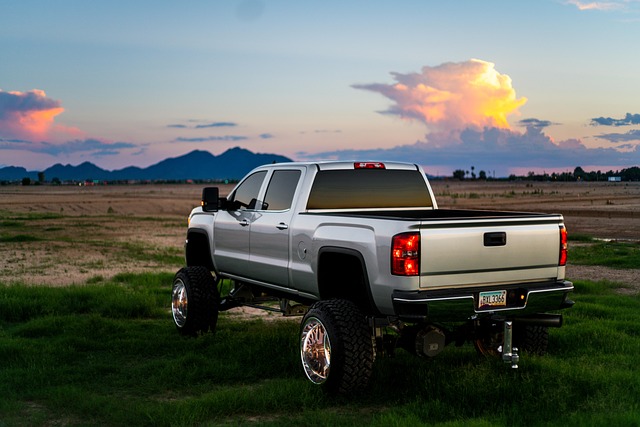
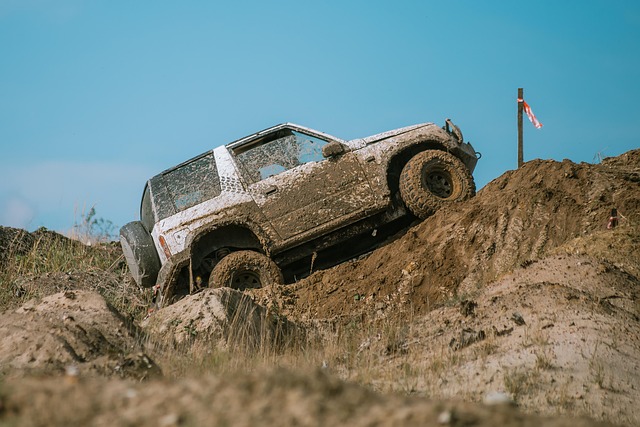
Properly maintaining and repairing your 4×4’s hitch ball is crucial for safe and effective towing. This comprehensive guide offers expert tips tailored for 4×4 owners in McAllen, ensuring your vehicle is ready to handle any off-road or towing challenge. From inspection to replacement, learn the best practices for hitch ball maintenance to extend the life of your 4×4 and ensure reliable performance.
Introduction: The Importance of Hitch Balls in McAllen 4×4 Repairs
In the world of 4×4 ownership, few components are as vital for towing and off-road adventures as the hitch ball. Located at the back of your vehicle, this essential part connects your trailer or towing accessory to your 4×4, enabling you to transport valuable cargo or participate in challenging terrain exploration. In McAllen, where diverse landscapes offer both urban adventures and rural escapades, reliable 4×4 repairs, including hitch ball maintenance, are a must for every responsible owner.
This article delves into the intricacies of hitch ball care, offering practical tips and insights specifically tailored to 4×4 owners in McAllen. We’ll explore everything from routine inspections to advanced troubleshooting, ensuring your vehicle’s towing capabilities remain top-notch.
Understanding Hitch Balls: The Core of 4×4 Towing
What is a Hitch Ball?
A hitch ball, also known as a tow ball or coupling, is the component that physically connects your 4×4 to a trailer or towing device. It typically attaches to the vehicle’s rear bumper or chassis and provides a secure attachment point for safe towing.
Types of Hitch Balls: Options for McAllen Drivers
In McAllen, where varied terrain demands versatile towing solutions, knowing about different hitch ball types is essential. Here are some common options:
-
Standard Round Hitch Balls: The most common type, these balls feature a rounded design and are suitable for light to moderate towing. They come in various sizes, typically measured by the diameter of the ball (e.g., 2" or 3").
-
Square or Rectangular Hitch Balls: These offer more stability and are ideal for heavier loads or off-road trails where additional strength is needed. They provide a broader contact surface with the trailer coupler.
-
Customized Hitch Balls: McAllen’s diverse landscape may prompt owners to invest in custom hitch balls designed for specific towing needs, such as elevated clearance for rugged terrain.
The Role of Hitch Balls in 4×4 Safety
Hitch balls play a critical role in the overall safety and performance of your 4×4 when towing:
-
Secure Connection: They ensure a firm and secure attachment between your vehicle and trailer, preventing detachment during tow, especially at high speeds or on uneven roads.
-
Weight Distribution: Properly fitted hitch balls distribute weight evenly across the towing setup, enhancing stability and handling, crucial for safe off-road adventures.
-
Towing Capacity: Different hitch ball types have varying towing capacities, so understanding their limitations and selecting the right one is essential for your 4×4’s safety and performance.
Tips for Regular Hitch Ball Maintenance in McAllen
Regular maintenance is key to keeping your 4×4’s hitch ball in optimal condition. Here are some valuable tips:
1. Inspection Before Every Trip
Before hitting the road, perform a thorough inspection of your hitch ball and related components:
-
Visual Check: Examine the hitch ball for any signs of damage, corrosion, or wear. Look for cracks, dents, or loose parts.
-
Tighten Connections: Ensure all bolts and fasteners are securely fastened to prevent accidental detachment during tow.
-
Lubricate If Necessary: Some hitch balls benefit from lubrication to reduce friction and ease attachment, especially in corrosive environments.
2. Cleaning and Corrosion Prevention
Regular cleaning is essential to prolong the lifespan of your hitch ball:
-
Post-Towing Cleanup: After each towing session, clean the hitch ball and its mounting areas to remove dirt, salt, or other debris that can accelerate corrosion.
-
Corrosion Inhibitors: Apply corrosion-inhibiting products, especially in McAllen’s salty air and humid climate, to protect metal surfaces.
-
Storage Considerations: When not in use, store your hitch ball in a dry, covered area to prevent moisture ingress.
3. Checking Towing Load Capacity
Safety is paramount when towing:
-
Understand Ratings: Familiarize yourself with your 4×4’s and hitch ball’s towing capacity ratings, ensuring you do not exceed them. McAllen’s diverse terrain may require specific equipment for heavy towing.
-
Load Distribution: Ensure an even weight distribution between the vehicle and trailer to maximize stability and prevent excessive strain on any component, including the hitch ball.
4. Regular Replacement (When Needed)
Even with meticulous care, hitch balls may need replacement:
-
Age and Wear: Over time, hitch balls can become fatigued or damaged, leading to reduced strength and safety risks. McAllen’s demanding terrain may accelerate this process.
-
Manufacturer Recommendations: Follow the manufacturer’s guidelines for replacement intervals, as they provide valuable insights into maintaining optimal performance.
-
Professional Inspection: If you’re unsure about your hitch ball’s condition, consult a reputable McAllen 4×4 repair shop for expert advice and a thorough inspection.
Advanced Troubleshooting: Handling Hitch Ball Issues
Despite regular maintenance, hitch ball problems can arise. Here’s how to tackle them:
1. Dealing with Corrosion Damage
Corrosion can weaken the structural integrity of your hitch ball:
-
Light Corrosion: For mild corrosion, use a wire brush and appropriate cleaning solutions to remove debris and restore metal surfaces.
-
Severe Cases: If corrosion has compromised the hitch ball’s strength, replacement is advisable. Never tow with a damaged hitch ball to avoid safety risks.
2. Addressing Loose or Improperly Seated Hitch Balls
A loose hitch ball can lead to serious towing issues:
-
Secure Mounting: Check all bolts and fasteners for proper torque. Use a torque wrench if available to ensure correct tightening.
-
Alignment: Ensure the hitch ball is properly aligned with the trailer coupler for smooth, secure connections. Misalignment can cause damage and unsafe conditions.
3. Troubleshooting Towing Difficulties
If you encounter challenges during towing in McAllen’s diverse terrain:
-
Check Load Distribution: Uneven weight distribution can strain the hitch ball and other components. Re-evaluate your load setup and ensure it adheres to safety guidelines.
-
Terrain Considerations: Different off-road trails may require specific hitch ball adjustments or equipment upgrades for safe towing. Consult with local 4×4 experts for advice tailored to McAllen’s terrain.
Conclusion: Mastering Hitch Ball Care for Your McAllen 4×4
Proper hitch ball maintenance is a cornerstone of responsible 4×4 ownership in McAllen, ensuring your vehicle remains a reliable companion on both urban and off-road adventures. By following the tips outlined above, you can extend the lifespan of your hitch ball, enhance safety, and maximize the performance of your 4×4 towing setup.
Remember, regular inspections, cleaning, and knowledge of your vehicle’s capabilities are key to successful 4×4 repairs, especially when it comes to critical components like hitch balls. Stay prepared for any challenge McAllen’s diverse landscapes present, and your 4×4 will continue to deliver unforgettable experiences for years to come.
Frequently Asked Questions (FAQs)
-
How often should I inspect my hitch ball?
It’s recommended to perform a thorough inspection of your hitch ball before every towing trip. This ensures any potential issues are identified early, promoting safe and efficient towing.
-
Can I use a hitch ball with a different diameter than specified by my vehicle manufacturer?
Using a hitch ball with a significantly different diameter can lead to safety risks and may void warranties. Always adhere to your 4×4 manufacturer’s specifications for towing capabilities and hitch ball compatibility.
-
What should I do if I notice corrosion on my hitch ball during a tow?
If you spot corrosion, immediately stop towing and assess the extent of the damage. Never tow with a corroded hitch ball as it can fail unexpectedly, posing safety hazards. Consider professional repair or replacement for affected components.
-
How can I determine if my 4×4 is capable of handling heavy towing?
Consult your vehicle’s owner manual for detailed information on towing capacity and requirements. McAllen’s diverse terrain may require specific equipment upgrades or modifications to handle heavy loads safely.
-
Are there environmental factors that impact hitch ball maintenance?
Absolutely! Salt in the air, moisture, and extreme temperatures can accelerate corrosion and damage. Regular cleaning, lubrication (when needed), and corrosion inhibitors are essential to protect your hitch ball in McAllen’s unique environment.