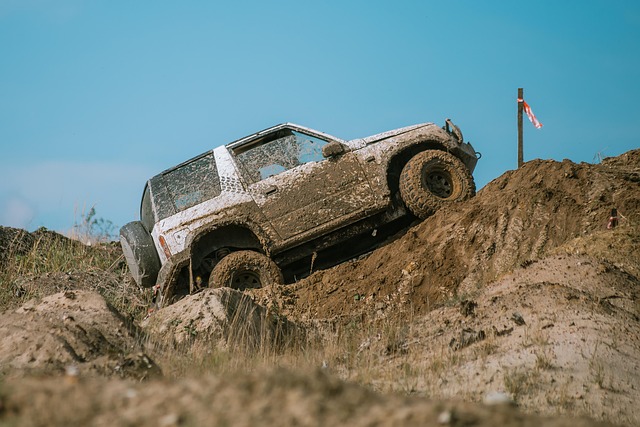
If you’re a McAllen resident with a 4×4 that needs clutch repair, understanding the basics of clutch systems and common issues can save time and money. This guide provides tips tailored to the unique demands of 4×4 vehicles, focusing on clutch repairs, and offering expert advice from local mechanics in McAllen.
Introduction: The Importance of Clutch Repair in 4x4s
In the rugged terrain around McAllen, a well-maintained 4×4 is more than just a vehicle—it’s a vital tool for navigating challenging roads and off-road conditions. Central to this capability is the clutch system, which facilitates smooth gear changes and power transfer from the engine to the wheels. This article delves into the intricacies of 4×4 clutch repair in McAllen, equipping owners with essential knowledge and practical tips to keep their vehicles running smoothly.
Understanding Your 4×4’s Clutch System
How Does a Clutch Work?
A clutch is a mechanical device that disengages the engine from the transmission, allowing drivers to change gears seamlessly. In a 4×4, this process becomes even more critical for managing power distribution between the wheels, especially when traversing difficult terrain. Here’s a simplified breakdown:
-
Clutch Pedal: Operate by the driver through the vehicle’s pedal system, it controls engagement and disengagement of the clutch mechanism.
-
Clutch Disc: A friction disc that connects the engine to the transmission. When the clutch pedal is depressed, pressure is applied, separating the disc and disconnecting power flow.
-
Clutch Master Cylinder: This component generates hydraulic pressure when you press the clutch pedal, ensuring precise control over the clutch system.
Common Clutch Issues in 4x4s
Various factors contribute to clutch degradation in 4×4 vehicles. Understanding these common problems is the first step towards effective maintenance and repair:
-
Wear and Tear: Constant use, especially in demanding off-road conditions, can lead to increased wear on clutch components, particularly the disc and pressure plate.
-
Hydraulic Issues: Leaks or contamination within the hydraulic system can result in a sluggish or non-responsive clutch pedal.
-
Misalignment: Inadequate alignment of the drivetrain components can cause premature clutch wear and gear slippage.
-
Low Clutch Fluid: Insufficient fluid levels can lead to poor clutch performance, increased friction, and potential damage.
Tips for 4×4 Clutch Repair in McAllen
When to Seek Professional Help
While basic maintenance checks are within the capabilities of many car owners, some tasks require specialized knowledge and tools. If you notice any of the following signs, it’s advisable to consult a professional mechanic:
-
Slick or Unresponsive Clutch Pedal: A significant change in pedal behavior indicates potential fluid leaks, contamination, or mechanical failures.
-
Gear Shifting Problems: Difficulty changing gears, especially when shifting from 4H (high range) to 4L (low range), suggests issues with the clutch master cylinder or slave cylinder.
-
Clutch Slip or Engagement Issues: When the vehicle fails to engage gears smoothly or slips while accelerating, it’s often a sign of disc wear or hydraulic problems.
Diagnosing Clutch Problems: A Step-by-Step Guide
Before attempting any repair, accurate diagnosis is crucial. Here’s how you can identify common clutch issues:
-
Inspect the Clutch Pedal: Check for any leaks around the master cylinder and ensure the pedal moves freely without stickiness or sponginess.
-
Visualize the Clutch Disc: Remove the transmission bell housing to inspect the clutch disc for wear, tears, or excessive friction material buildup.
-
Check for Hydraulic Leaks: Examine the entire hydraulic system, including lines, hoses, and components, for signs of leaks or corrosion.
-
Test Drive with Gear Changes: Pay close attention to gear engagement during a test drive, especially at low speeds and under heavy acceleration.
What to Expect During Clutch Repair
Clutch repair involves several steps, each requiring specialized tools and knowledge:
-
Replacement of Worn Components: If the clutch disc, pressure plate, or flywheel show significant wear, they must be replaced as a set to ensure proper alignment and functionality.
-
Hydraulic System Service: Cleaning and replacing fluid can resolve leaks and contamination issues, ensuring smooth clutch operation.
-
Drivetrain Alignment Check: After repair, mechanics should verify that the drivetrain components are properly aligned to prevent future wear.
-
Test Drive Evaluation: A thorough test drive is essential to confirm the effectiveness of the repair and identify any remaining issues.
Choosing a Reliable 4×4 Repair Shop in McAllen
Selecting a reputable shop for your 4×4 clutch repair is vital for ensuring quality work and peace of mind. Here are some tips:
-
Research Local Mechanics: Read online reviews, consult local forums, and ask recommendations from fellow 4×4 owners to find well-regarded shops.
-
Verify Certifications: Look for shops with certifications from reputable automotive organizations, indicating they meet specific standards.
-
Inquire About Experience: Ensure the shop has experience with 4x4s, as specialized knowledge is crucial for addressing unique challenges.
-
Get Multiple Quotes: Compare prices and services offered to make an informed decision based on value and quality.
Maintenance Tips for Longevity
Regular maintenance plays a significant role in extending the lifespan of your 4×4’s clutch:
-
Stay on Top of Fluid Levels: Regularly check and top up clutch and transmission fluids as recommended by the vehicle manufacturer.
-
Avoid Harsh Driving: Aggressive driving, frequent gear shifting, and rapid acceleration can accelerate clutch wear. Opt for smooth, controlled driving.
-
Plan for Off-Road Use: If you frequently drive off-road, schedule more frequent clutch inspections and services to address potential issues early.
-
Follow a Scheduled Maintenance Plan: Stick to the vehicle manufacturer’s recommended service intervals for optimal clutch health.
Frequently Asked Questions (FAQs)
-
Q: How often should I replace my 4×4’s clutch?
A: The lifespan of your clutch depends on various factors, including driving habits and terrain. As a general guideline, plan for a complete clutch replacement every 50,000 to 70,000 miles or according to the manufacturer’s recommendations. -
Q: Can I drive my 4×4 with a slipping clutch?
A: Driving with a slipping clutch is not recommended as it can cause further damage and reduce control over your vehicle. If you notice a significant slip, pull over and consult a professional mechanic. -
Q: Are there DIY solutions for clutch repair?
A: While some basic maintenance tasks are DIY-friendly, clutch repairs often require specialized tools and knowledge. Unless you’re experienced, it’s best to leave clutch work to certified mechanics to ensure safety and effectiveness. -
Q: How do I know if a leak is affecting my clutch system?
A: Leaks can cause hydraulic failure, resulting in a sluggish or unresponsive clutch pedal. Regularly inspect all fluid lines and components for signs of leaks, and address them promptly to prevent system damage. -
Q: Can improper alignment lead to clutch issues?
A: Absolutely. Misalignment of drivetrain components can cause uneven wear on the clutch disc and pressure plate, leading to premature failure. Always ensure proper alignment after major repairs or when suspension components are adjusted.
Conclusion
Caring for your 4×4’s clutch is an essential aspect of maintaining its performance and reliability in McAllen’s diverse driving conditions. By understanding clutch systems, recognizing common issues, and following best practices for repair and maintenance, you can ensure your 4×4 remains a capable companion on any adventure. Remember, regular attention to your clutch will reward you with years of trouble-free off-road exploration.