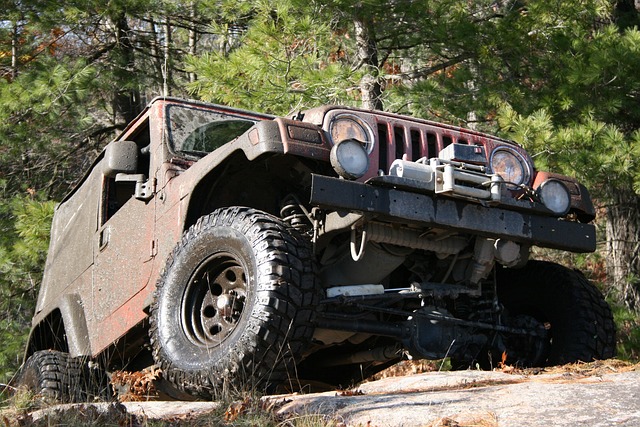
If you’re a resident of McAllen or the surrounding areas, learning how to properly select, install, and maintain a winch for your 4×4 is essential. This guide offers valuable tips for 4×4 repair in McAllen, focusing on winches—a crucial component for off-road adventures. We’ll walk you through understanding winch types, factors to consider during selection, installation best practices, and routine maintenance to ensure optimal performance.
Introduction: Why Winches are Crucial for Your 4×4 in McAllen
In the rugged landscapes surrounding McAllen, Texas, a reliable 4×4 is not just a vehicle; it’s a lifeline. Whether you’re exploring uncharted terrains or assisting fellow drivers in distress, a robust winch system can make all the difference. This article provides an in-depth look at winches specifically tailored for McAllen’s off-road enthusiasts, offering practical tips for repair and maintenance to keep your 4×4 ready for any challenge.
Understanding Winch Types: A Foundation for Repairs
Electric vs. Hydraulic Winches
The first step in learning tips for 4×4 repair in McAllen is understanding the two primary winch types: electric and hydraulic. Both have their advantages, catering to different needs:
-
Electric Winches: Known for their ease of use and efficient power delivery, electric winches are popular choices. They operate using a motor and gear system, offering smooth control and quick response times. These winches are ideal for moderate towing tasks and are generally more affordable.
-
Hydraulic Winches: These powerful machines utilize hydraulic fluid to generate immense pulling force. Hydraulic winches excel in heavy-duty applications, capable of handling large vehicles or extreme off-road situations. While they may require more maintenance, their strength makes them a favorite among serious off-roaders.
Other Consideration: Winch Capacity and Mounting
When choosing a winch for your 4×4 repair needs in McAllen, several factors come into play:
-
Winch Capacity: Ensure the winch can handle the weight of your vehicle and any additional load you might carry. This is crucial for safe and effective towing.
-
Mounting Style: Winches can be mounted in various ways, such as on the front bumper, rear bumper, or under the vehicle. Each has its advantages regarding accessibility, ground clearance, and overall vehicle aesthetics.
Tips for Selecting the Right Winch: A Comprehensive Checklist
Choosing the suitable winch is a critical step in 4×4 repair processes. Here’s a checklist to guide your decision-making:
1. Identify Your Needs
-
Off-Road vs. Everyday Use: Determine whether you primarily use your 4×4 for off-road adventures or everyday transportation. This will influence winch requirements.
-
Towing Capacity: Calculate the average weight you’ll be towing, including vehicles, trailers, or other equipment.
2. Consider Environmental Factors
McAllen’s climate can impact winch performance and longevity:
-
Temperature Extremes: If you frequently encounter hot or cold weather conditions, opt for a winch with high-quality insulation to prevent damage from extreme temperatures.
-
Corrosion Resistance: The Texas landscape often involves high humidity and salt air. Choose winches made from corrosion-resistant materials like stainless steel.
3. Evaluate Winch Features
Modern winches offer various features:
-
Wire or Cable: Decide between wire (for better control) and cable winches, considering factors like strength, flexibility, and maintenance needs.
-
Remote Control: Many modern winches come with remote controls for easy operation. This is a valuable feature during challenging off-road situations.
-
LED Lights: Some winches include integrated LED lights, enhancing visibility during night towing or in low-light conditions.
4. Check Warranty and Brand Reputation
Reputable brands often offer extended warranties, ensuring peace of mind:
- Look for winches with a minimum one-year manufacturer’s warranty, preferably longer.
- Research brand reputations to ensure quality and customer satisfaction.
Installation: A Step-by-Step Guide for McAllen Drivers
Proper installation is vital for winch safety and functionality. Here’s a breakdown of the process:
1. Prepare Your Vehicle
Before installing, ensure your 4×4 is in good condition and prepared for modification:
-
Check Battery: Ensure your vehicle’s battery is fully charged and in optimal condition to power the winch.
-
Ground Clearance: Remove any items or modifications that might interfere with winch operation and ground clearance during towing.
2. Gather Necessary Tools
A successful installation requires specific tools:
-
Winch Mounting Hardware: This includes brackets, bolts, and washers provided by the winch manufacturer.
-
Impact Wrench or Socket Set: Essential for securing mounting hardware with tight turns.
-
Jack and Jack Stands: For safely lifting and supporting your vehicle during installation.
3. Mount the Winch
Follow these steps to mount your chosen winch:
-
Identify Mounting Points: Locate the ideal spots on your 4×4 for winch mounting, ensuring they align with the winch’s mounting holes.
-
Install Brackets: Secure the winch brackets to your vehicle using the provided hardware. Tighten bolts securely with an impact wrench or socket set.
-
Align and Attach Winch: Carefully position the winch on the brackets and secure it in place, ensuring all connections are tight.
4. Connect Electrical Wiring (If Applicable)
For electric winches, proper wiring is crucial:
-
Locate Battery Terminals: Identify your vehicle’s positive (+) and negative (-) battery terminals.
-
Connect Wiring Harness: Attach the winch’s wiring harness to the appropriate battery terminal using crimp connectors or screw terminals.
-
Test Connections: Before operating the winch, test all electrical connections to ensure proper functionality.
Maintenance: Keeping Your Winch in Top Condition
Regular maintenance ensures your winch performs optimally and reliably when needed:
1. Regular Inspection
Perform routine checks at least once a month:
-
Visual Inspection: Examine the winch for any signs of wear, corrosion, or damage. Check all mounting hardware for security.
-
Lubrication: Apply lubrication to moving parts, especially if your winch has rollers or gears, to prevent rust and ensure smooth operation.
2. Battery Care
A well-maintained battery is essential for winch performance:
-
Keep Charged: Ensure your vehicle’s battery stays charged. Deep discharge can damage it over time. Consider a smart battery charger if you don’t use your 4×4 frequently.
-
Clean Terminals: Periodically clean corrosion from battery terminals to ensure good conductivity and avoid premature battery failure.
3. Winch Testing
Regular testing is crucial for peace of mind:
-
Practice Towing: On a safe, open area, practice towing with the winch at various loads to familiarize yourself with its performance and limitations.
-
Emergency Situations: Simulate emergency scenarios to ensure you’re comfortable using the winch effectively when needed.
Frequently Asked Questions (FAQs)
1. How do I know if my vehicle can handle a winch?
Before installing a winch, thoroughly research your vehicle’s capabilities and limitations. Check manufacturer specifications for towing capacity, ground clearance, and any specific requirements or warnings.
2. Can I install a winch myself, or should I hire a professional?
Most winches can be installed by experienced DIYers with the right tools and knowledge. However, complex installations or concerns about alignment and safety may warrant hiring a professional mechanic or off-road specialist.
3. How often should I maintain my winch?
Regular maintenance varies depending on usage and environmental conditions. Aim for at least monthly inspections and lubrication, or more frequently if you use your 4×4 intensively in corrosive environments.
4. What’s the best way to store a spare tire and winch together?
Securely mount a sturdy carrier designed specifically for spare tires and winches. Ensure it’s well-anchored and positioned safely above ground clearance, following vehicle manufacturer guidelines.
Conclusion: Mastering Winch Repair and Maintenance in McAllen
Tips for 4×4 repair in McAllen are not just about selecting the right winch; they encompass a holistic approach to ensuring your off-road vehicle is ready for any challenge. By understanding winch types, factors influencing selection, installation best practices, and regular maintenance routines, you empower yourself to confidently navigate McAllen’s diverse terrains and beyond. Remember, proper care of your winch system translates into enhanced safety, performance, and peace of mind during your next off-road adventure.