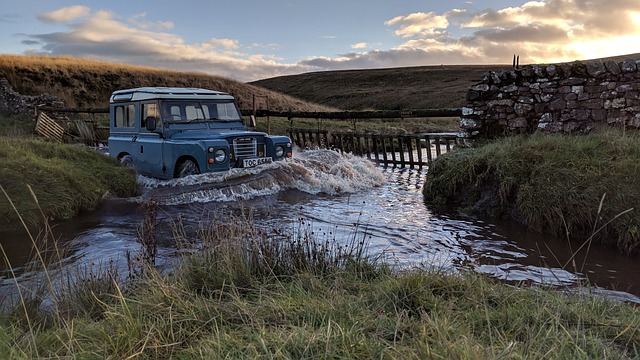
In this article, we delve into the essential practices of maintaining and repairing rock rails on your 4×4 vehicle in McAllen. We’ll explore why these rails are crucial, provide step-by-step repair guides, offer tips for regular upkeep, and answer common questions to ensure your off-road adventures remain safe and reliable.
Introduction: The Importance of Rock Rails
Tips-for-4×4-repair-in-mcallen enthusiasts know that proper vehicle maintenance is key to navigating tough terrains successfully. Among the many critical components are rock rails, robust barriers designed to protect your 4×4 from potential damage caused by striking rocks, debris, and other obstacles during off-road drives. This article will guide you through everything you need to know about keeping your rock rails in top condition, ensuring a safer and smoother experience while exploring McAllen’s rugged landscapes.
Understanding Rock Rails: Their Role and Maintenance Needs
What are Rock Rails?
Rock rails, also known as side steps or fender guards, are metal or plastic bars or plates attached to the sides of your 4×4 vehicle. They extend below the chassis and above the wheels, providing a physical barrier between the vehicle and potential hazards like large rocks, fallen trees, and sharp debris.
Why Are Rock Rails Essential?
- Protection: The primary function is to shield your 4×4 from damage caused by striking obstacles, which can be costly to repair or replace.
- Safety: They enhance driver safety by preventing the vehicle from rolling over or being toppled by lateral impacts.
- Off-Road Capability: Rock rails enable vehicles to tackle more challenging terrain, making them a must-have for serious off-roaders.
Regular Maintenance: Keeping Your Rock Rails in Top Shape
Proper maintenance is crucial to ensuring the longevity and effectiveness of your rock rails. Here’s a comprehensive guide to keeping them in optimal condition:
Inspection: Spotting Wear and Tear
- Visual Exam: Regularly inspect your rock rails for any signs of damage, corrosion, or loose connections. Walk around your vehicle and look for dents, scratches, or bent sections.
- Check Bolts: Ensure all bolts securing the rock rails are tight. Loose bolts can lead to misalignment and reduced protection.
- Waxing and Cleaning: Periodically wax and clean the rails to prevent rust buildup, especially in areas prone to moisture.
Basic Repairs: Tackling Common Issues
- Bent Rails: If a rail is bent beyond repair, consider replacing it with an OEM (Original Equipment Manufacturer) or aftermarket equivalent. Straightening a bent rail may be possible, but professional help is recommended for best results.
- Broken Bolts: Tighten loose bolts using a socket wrench, and replace them if they’re stripped or damaged.
- Scratched Rails: Minor scratches can often be buffed out using automotive polish and a microfiber cloth. For severe cases, consider painting or replacing the affected section.
Step-by-Step Rock Rail Repair Guide
Tools and Materials:
- Jack and jack stands
- Impact wrench (or socket set)
- New rock rail sections (if replacement is necessary)
- Rust remover/pre-treatment
- Metal primer and paint (matching your vehicle’s color)
- Brake cleaner or degreaser
- Microfiber cloths
- Wax (if applicable)
Repair Process:
- Safety First: Ensure your 4×4 is parked on a level surface, engage the parking brake, and use wheel chocks for added security.
- Lift and Support: Use a jack to lift the vehicle, then place jack stands under the chassis for stability.
- Remove Damage Section: Carefully cut or unbolt the damaged rail section using appropriate tools. Label or take note of the direction and placement of bolts for easier reassembly.
- Clean and Prepare: Remove any rust or debris from the rail and underlying surface using brake cleaner or degreaser. Apply rust remover if necessary, then wipe down with a microfiber cloth.
- Install New Rails (if needed): Align the new rail section and secure it in place with bolts. Tighten securely using an impact wrench.
- Painting (optional but recommended): Apply metal primer to prevent future rusting, followed by paint that matches your vehicle’s color. Allow sufficient drying time between coats.
- Reassemble: Carefully lower the vehicle, remove jack stands, and tighten all bolts once more.
Tips for Longevity: Proactive Rock Rail Care
- Regular Cleaning: Keep your rock rails clean to prevent dirt, mud, and salt buildup, which can accelerate corrosion.
- Waxing: Apply automotive wax every few months to create a protective barrier against the elements.
- Check for Wear Patterns: Look for signs of uneven wear, which may indicate misalignment or an underlying issue with your suspension.
- Stay Informed: Keep up with factory service recommendations and consult with experienced 4×4 owners or mechanics in McAllen for specific advice.
Frequently Asked Questions (FAQs)
1. How often should I inspect my rock rails?
It’s best to perform a thorough inspection of your rock rails at least once a month, or more frequently if you drive on rough terrain regularly. Regular checks can help identify small issues before they become major problems.
2. Can I repair bent rock rails at home?
While it is possible to straighten and repair bent rails, it requires specialized tools and skills. For best results, consider taking your vehicle to a professional off-road mechanic in McAllen who has experience with such repairs.
3. What materials are best for protecting rock rails from rust?
A combination of rust remover, metal primer, and high-quality automotive paint will provide the best protection against rust buildup. Regular waxing can also create a protective barrier.
Conclusion:
Proper tips-for-4×4-repair-in-mcallen practices, including regular maintenance and timely repairs, are vital to keeping your 4×4’s rock rails in peak condition. By following the guidelines outlined in this article, you can ensure a safer and more enjoyable off-road experience while exploring McAllen’s diverse landscapes. Remember, well-maintained rock rails are not just about aesthetics; they play a crucial role in enhancing the performance and safety of your 4×4 vehicle.