In this article, we delve into the essential aspects of repairing your 4×4 vehicle in McAllen, Texas. We focus specifically on understanding and utilizing recovery lines as a critical tool for off-road adventures. By mastering these tips, you’ll enhance your vehicle’s performance, safety, and overall reliability during challenging terrains.
Introduction: The Importance of 4×4 Repair in McAllen
In the heart of Texas, McAllen stands out as a hub for outdoor enthusiasts and off-road adventurers. With its diverse landscapes ranging from desert trails to muddy rivers, owning a reliable 4×4 vehicle is not just a preference but a necessity. However, even the toughest machines require maintenance and repair, especially when tackling extreme conditions. This guide aims to empower McAllen residents with practical tips-for-4×4-repair, emphasizing the role of recovery lines in ensuring safe and successful off-road excursions.
Understanding Recovery Lines: Your 4×4’s Safety Net
What are Recovery Lines?
Recovery lines, also known as winching ropes or recovery cables, are specialized pieces of equipment designed to aid in vehicle extraction and towing during off-road situations. These robust lines come in various materials, strengths, and lengths, each suited for different terrains and vehicle types.
Why Are They Crucial for 4×4 Repair?
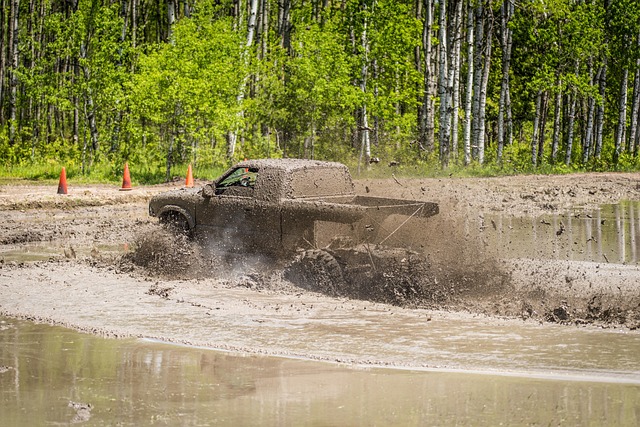
McAllen’s diverse terrain presents unique challenges. Mud, sand, or steep inclines can easily ground your 4×4, leaving you stranded. Recovery lines offer a safe and efficient solution:
- Towing Assistance: Whether it’s pulling your vehicle out of a muddy rut or towing a companion car, recovery lines provide the necessary grip and strength to overcome obstacles.
- Emergency Support: In case of a breakdown or accident, these lines can be a lifeline, enabling you to reach help or extract your vehicle from hazardous situations.
- Versatility: They are versatile tools suitable for various 4×4 repairs, from simple unsticking to more complex recovery operations.
Types of Recovery Lines and Their Applications
- Steel Cable Chains: Known for their strength and durability, these chains are ideal for heavy-duty applications like towing and lifting.
- Synthetic Rope (Kevlar, Polyester): Lighter and more flexible, synthetic ropes excel in slippery conditions and are excellent for general recovery tasks.
- Winching Straps: Made from high-strength webbing, these straps attach to winches and provide a secure grip for controlled towing.
Tips for Effective 4×4 Recovery in McAllen
1. Choose the Right Recovery Line for Your Vehicle
- Assess your vehicle’s weight capacity and required line strength.
- Consider terrain types you frequently encounter (mud, sand, rock).
- Select lines with appropriate length for various recovery scenarios.
2. Regularly Inspect and Maintain Your Recovery Equipment
- Check lines for signs of wear, fraying, or damage before each trip.
- Store them in a dry, protected area to prevent rot or corrosion.
- Follow manufacturer guidelines for cleaning and lubrication.
3. Master Basic Winching Techniques
- Practice setting up your winch correctly, ensuring optimal line tension and grip.
- Learn how to control winching speed and direction for safe lifting or towing.
- Understand the limits of your winch and vehicle to avoid damage.
4. Plan Ahead for Recovery in Various Terrains
- Study local trails and know potential hazards like hidden rock outcrops or steep descents.
- Carry spare recovery lines and tools, especially on extended off-road trips.
- Inform someone about your itinerary and expected return time to ensure help can be dispatched quickly if needed.
5. Practice Safe Recovery Operations
- Always wear appropriate safety gear, including gloves and eye protection.
- Ensure adequate ground clearance when winching to prevent vehicle damage.
- Communicate clearly with the person providing or receiving tension during a recovery operation.
Troubleshooting Common 4×4 Recovery Issues in McAllen
1. My Vehicle Won’t Start: Is it a Recovery Line Problem?
If your 4×4 won’t start and you suspect a recovery line issue, follow these steps:
- Check for Looseness: Ensure all connections are secure, especially at the winch point and vehicle attachment.
- Inspect for Damage: Look for any visible signs of wear or rupture in the line.
- Test Winch Operation: Operate the winch to verify it functions correctly and provides adequate tension.
2. Stranded in Mud: How Do I Use Recovery Lines Effectively?
When stuck in mud, remember:
- Avoid Panic: Stay calm and assess your situation.
- Use the Right Line: Choose a synthetic rope for better grip in slippery conditions.
- Tackling Techniques: Winch carefully to avoid spinning wheels, which can dig you deeper. Use small pulls and adjust line tension accordingly.
3. My Vehicle Rolled Over: What Now?
In such an extreme situation:
- Ensure Safety First: Move away from the vehicle if it’s still operational to prevent further injury.
- Contact Emergency Services: Reach out for help immediately.
- Recovery Line Assistance: If your 4×4 is within reach, carefully attach a recovery line to a stable point and use it to extract the vehicle with the help of rescue professionals.
Conclusion: Enhance Your 4×4 Adventure Experience in McAllen
Mastering tips-for-4×4-repair-in-mcallen, particularly the art of using recovery lines, empowers you to navigate McAllen’s diverse landscapes with increased confidence and safety. By understanding these techniques and keeping your equipment well-maintained, you’ll minimize the risks associated with off-road adventures. Remember, preparation is key; always be ready for unexpected challenges by staying informed, equipped, and skilled.
Frequently Asked Questions (FAQs)
-
Q: How often should I replace my recovery lines?
A: Regular inspection is crucial. Check lines monthly for signs of wear, especially after heavy use or in corrosive environments. Replace them at the first sign of significant damage to ensure safety. -
Q: Can I use a regular rope instead of a specialized recovery line?
A: While a regular rope may seem like a cheaper alternative, it’s not recommended. Recovery lines are designed for strength and durability, providing superior performance during critical recovery operations. -
Q: What should I do if my vehicle gets stuck in deep mud with no chance of extraction?
A: Safety is paramount. Turn off the engine, engage four-wheel drive (if applicable), and try to gain some traction. If unsuccessful, call for professional help immediately. Do not attempt solo recovery as it may cause further damage.