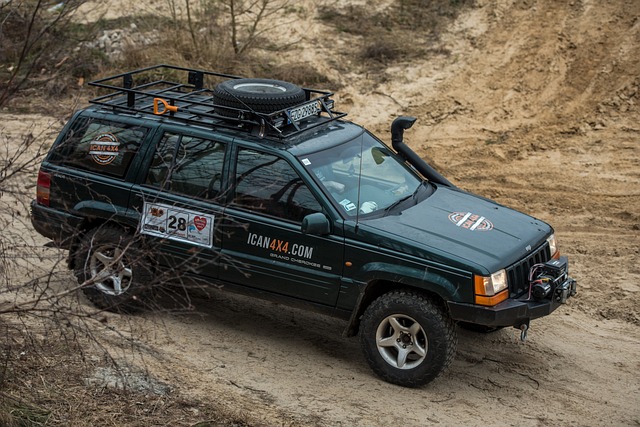
Maintain your McAllen 4×4 with expert tips, focusing on the crucial role of hitch balls in towing and carrying. This guide delves into the selection, installation, and maintenance of hitch balls, ensuring smooth and safe towing experiences. Discover best practices for troubleshooting common issues and enhancing your vehicle’s capability.
Introduction
In the vibrant city of McAllen, Texas, owning a 4×4 is often a necessity for navigating diverse terrain and extreme weather conditions. Whether you’re a seasoned off-roader or a novice driver, efficient 4×4 repair and maintenance are key to keeping your vehicle in peak condition. This article offers invaluable tips for 4×4 repair in McAllen, with a special focus on hitch balls – the unsung heroes of towing and carrying capabilities.
Understanding Hitch Balls: The Foundation of Secure Towing
What Are Hitch Balls?
Hitch balls are metal components that serve as the attachment point for trailer hitches, allowing you to tow trailers, campers, or other vehicles behind your 4×4. They come in various sizes and types, each designed for specific towing needs and vehicle makes.
Why Are Hitch Balls Essential?
Securely fastened hitch balls are crucial for safe towing:
- Stability: They ensure proper alignment between your 4×4 and the towed vehicle, preventing unintended swaying or jackknifing.
- Weight Distribution: Properly installed hitch balls distribute weight evenly, ensuring your 4×4 handles towable loads efficiently.
- Safety: Hitch balls prevent sudden disconnections, which could lead to accidents or damage.
Types of Hitch Balls
McAllen’s diverse terrain demands versatile hitch ball options:
- Class I Hitch Balls: Suitable for lighter trailers (up to 3500 lbs), these are the most common and feature a 1-1/4" receiver tube.
- Class II Hitch Balls: Designed for medium-duty towing (3500-8000 lbs), they offer increased strength and stability.
- Class III Hitch Balls: Ideal for heavy-duty applications (over 8000 lbs), these balls provide maximum strength and security.
Tips for Selecting the Right Hitch Ball in McAllen
Choosing the correct hitch ball is crucial for both towing safety and vehicle compatibility. Follow these guidelines to ensure you make the right choice:
Consider Your Towing Needs
- Weight Capacity: Determine the maximum weight your 4×4 can safely tow. This will dictate the class of hitch ball required.
- Type of Trailer: Different trailers have varying coupling requirements. Ensure the hitch ball fits your trailer’s coupler type (e.g., round, square).
Match Vehicle Make and Model
Consult your vehicle’s owner manual or manufacturer’s website to find recommended hitch ball sizes and types for your specific 4×4 make and model.
Check Mounting Hardware Compatibility
Ensure the hitch ball comes with compatible mounting hardware that matches your vehicle’s existing bolt patterns and screw dimensions.
Installation Best Practices for Hitch Balls in McAllen
Proper installation is paramount to ensure safe towing. Here are essential tips:
Prepare Your Vehicle
- Clean Mounting Surface: Remove dirt, grease, and debris from the vehicle’s mounting points to achieve a secure fit.
- Inspect Bolts: Verify that all bolts and nuts are in good condition and replace any worn or damaged parts.
Follow Manufacturer Instructions
Adhere strictly to the hitch ball manufacturer’s installation guidelines for optimal security and performance.
Use Jack and Stand for Safety
When installing or removing a hitch ball, always use a jack and stand to support your 4×4, ensuring stability during the process.
Torque Bolts Properly
Tighten bolts to the recommended torque specification provided by the manufacturer to prevent loose connections that could lead to accidents.
Maintaining Your Hitch Balls in McAllen
Regular maintenance ensures hitch balls remain secure and reliable:
- Inspect for Damage: Before each trip, visually inspect your hitch ball for any signs of wear, corrosion, or damage. Replace as needed.
- Lubricate Couplers: Regularly lubricate the trailer coupler to facilitate easy connection and disconnection.
- Clean and Rust Prevention: Periodically clean the hitch ball and its mounting components to prevent rust buildup, using corrosion-inhibiting products if necessary.
Troubleshooting Common Hitch Ball Issues in McAllen
Even with proper care, hitch ball problems can arise. Be prepared with these troubleshooting tips:
- Loose Connection: If your trailer shows signs of pulling or swaying, check all bolts and nuts for looseness. Tighten them to the specified torque.
- Corroded Components: Corrosion can weaken connections. Inspect and replace any rusted or damaged parts promptly.
- Improper Weight Distribution: Uneven weight distribution leads to unstable towing. Ensure your load is secured properly and evenly distributed.
Conclusion: Enhance Your 4×4 Towing Experience in McAllen
By focusing on hitch balls, you’ve taken a significant step towards optimizing your 4×4’s towing capabilities. Remember, regular maintenance, proper installation, and a keen eye for detail will ensure safe and efficient towing adventures in the diverse landscapes surrounding McAllen. Embrace these tips to unlock the full potential of your 4×4 and explore Texas with confidence!
Frequently Asked Questions (FAQs)
-
How often should I replace my hitch ball?
Hitch balls typically last as long as the vehicle, but regular inspection is crucial. Replace them if damaged, corroded, or showing signs of wear that could compromise safety.
-
Can I tow a heavier load than my hitch ball’s weight capacity?
Never tow beyond your hitch ball’s rated capacity. Exceeding weight limits can lead to serious damage and safety hazards. If you need to tow heavier loads, upgrade to a stronger hitch ball.
-
What should I do if my trailer coupler won’t latch onto the hitch ball?
Ensure the coupler is clean and free from debris. Double-check that your hitch ball is properly lubricated and aligned with the coupler. If issues persist, consult a professional for assistance.