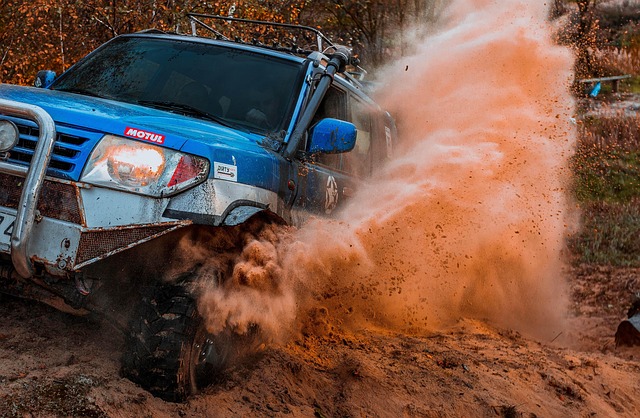
Learn essential tips and tricks for repairing your 4×4 in McAllen, focusing specifically on clutch issues. This guide provides step-by-step advice, common troubleshooting methods, and expert insights to help you tackle clutch problems effectively and efficiently. Whether you’re a seasoned mechanic or a weekend warrior, these tips will empower you to maintain and repair your 4×4’s crucial clutch system.
Tips for 4×4 Repair in McAllen: Unlocking Clutch Performance
In the world of off-road adventures, a well-maintained 4×4 is essential. At the heart of any robust 4×4 lies its clutch system – a critical component that enables smooth power transfer between the engine and wheels. This guide, geared towards residents of McAllen and surrounding areas, delves into the intricacies of 4×4 clutch repairs, offering practical tips and insights to help you navigate common issues.
Understanding Your 4×4 Clutch: The Basics
Before tackling any repair, understanding your 4×4’s clutch system is paramount.
How It Works
The clutch is a mechanical device that disengages the engine from the transmission, allowing drivers to change gears seamlessly. In a 4×4, this functionality is even more crucial for navigating challenging terrain. Consisting of several parts, including the clutch disc, pressure plate, and release bearing, the clutch system works in harmony to enable both efficient power delivery and precise control.
Common Clutch Issues in McAllen’s 4x4s
Residents of McAllen face unique challenges when it comes to 4×4 maintenance due to varying terrain and weather conditions. Some of the most prevalent clutch problems include:
- Clutch Slippage: This occurs when the clutch fails to engage fully, leading to a jerky driving experience and reduced power transfer.
- Noisy Clutch Operation: Squealing, chirping, or grinding sounds during clutch engagement are red flags indicating potential damage or wear.
- Clutch Engagement Issues: Difficulty in pressing the clutch pedal or inconsistent engagement can point to problems with the master or slave cylinder, or even the clutch itself.
- Leaking Clutch Fluid: A low or leaking clutch master cylinder reservoir suggests fluid leaks that require immediate attention.
Diagnosing Clutch Problems: Step-by-Step Guide
Identifying the root cause of a clutch issue is crucial before attempting any repair. Follow these systematic steps to effectively diagnose problems:
1. Inspect for Visual Cues:
- Look for any obvious signs of damage, such as warped clutch discs, worn or damaged pressure plates, or leaking fluid.
- Check the clutch pedal for excessive play or sponginess, which could indicate master cylinder issues.
2. Listen for Anomalies:
- Pay close attention to unusual noises coming from the engine compartment during clutch engagement. These sounds can provide valuable clues about the problem’s nature.
3. Check Fluid Levels and Condition:
- Verify that your clutch master cylinder reservoir is filled with the appropriate hydraulic fluid.
- Inspect the fluid for any contaminants or signs of wear, as these could point to leaks or damage within the system.
4. Perform a Road Test:
- Drive your 4×4 at various speeds and in different gear changes while paying close attention to clutch performance.
- Look for slippage, jerks, or any other irregular behavior.
5. Use Diagnostic Tools (if available):
- Consider utilizing a scan tool to check for any stored error codes related to the clutch system. These codes can provide valuable insights into potential issues.
Common Clutch Repair Scenarios in McAllen:
Scenario 1: Replacing a Worn Clutch Disc
A worn or damaged clutch disc is a common issue, especially in vehicles with high mileage or frequent off-road use.
Steps:
- Remove the Transmission: This process varies depending on your vehicle model but generally involves detaching the transmission from the engine.
- Replace the Clutch Disc: Carefully pull out the old clutch disc and install the new one, ensuring proper alignment.
- Reassemble and Bleed the System: Put everything back together, ensuring all components are properly fitted and lubricated. Then, bleed the clutch system to remove any air bubbles.
Scenario 2: Fixing a Leaking Clutch Master Cylinder
Leaks in the master cylinder can lead to fluid loss and compromised clutch performance.
Troubleshooting:
- Identify the Source: Inspect gaskets, seals, and lines for cracks or damage.
- Replace Faulty Components: If leaks are found, replace the affected parts. Use high-quality replacements for longevity.
Scenario 3: Troubleshooting Clutch Pedal Issues
If your clutch pedal feels odd or requires excessive force, it could signal problems with the master or slave cylinder.
Testing and Repair:
- Pressurize the System: Bleed the clutch system to eliminate air bubbles, which can affect pedal performance.
- Inspect Cylinders: Look for leaks or damage around the master and slave cylinders. Replace them if necessary.
Expert Tips for Successful Clutch Repairs:
- Invest in Quality Parts: When replacing any clutch component, opt for OEM (original equipment manufacturer) or reputable aftermarket parts for guaranteed performance and longevity.
- Follow Manufacturer Recommendations: Always consult your 4×4’s service manual for specific repair procedures and maintenance guidelines.
- Consider Professional Assistance: For complex issues or if you lack confidence in your repair skills, don’t hesitate to seek help from a qualified McAllen mechanic specializing in 4x4s.
- Regular Maintenance: Schedule routine clutch inspections and fluid changes as recommended by the manufacturer to prevent costly breakdowns.
- Be Prepared for Off-Road Challenges: If you frequently engage in off-roading, use high-quality clutch fluids and consider upgrading your clutch system for better performance and durability.
Conclusion:
Mastering 4×4 repairs, particularly clutch issues, is a valuable skill for any McAllen resident who enjoys the great outdoors. By understanding clutch functionality, following systematic diagnostic procedures, and employing expert tips, you can effectively address common clutch problems. Remember, early detection and regular maintenance are key to keeping your 4×4’s clutch system running smoothly, ensuring safe and enjoyable off-road adventures.